Transport Logistics 3D: Visualizing the Future of Industrial Movement
Imagine being able to see an entire city’s transportation network unfold in layers, from highways and railways to ports and delivery routes—all in a single, clear image. That’s the power of Transport Logistics 3D. It’s a visual tool that helps professionals and planners understand how goods move through complex systems. Whether you're a business owner, a student, or someone interested in how cities function, this type of 3D modeling brings clarity to the invisible systems that keep our world running.
What Exactly Is Transport Logistics 3D?
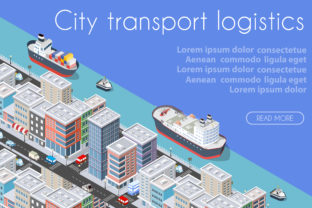
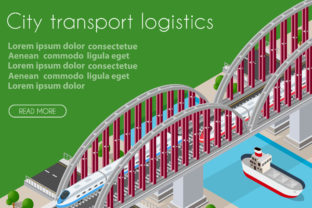
At its core, Transport Logistics 3D is a digital representation of transportation systems and infrastructure. It uses three-dimensional visuals to map out how goods are moved across cities, regions, or even countries. These models often include roads, railways, airports, shipping routes, and storage facilities. When combined with Isometric City illustrated templates, it becomes easier to grasp how different parts of a city’s infrastructure connect and interact.
Why It Matters for Modern Planning
Transport logistics isn’t just about moving boxes from point A to B—it’s about optimizing routes, reducing delays, and managing resources efficiently. With the help of 3D visuals, decision-makers can simulate different scenarios and test how changes in one part of the system might affect the whole. For example, a city planner could use a Transport Logistics 3D model to see how adding a new train line might reduce truck traffic and improve delivery times across the city.
The Visual Appeal of Isometric City Templates
One of the standout features of these models is their use of isometric design. This style presents a 3D view without perspective distortion, making it easier to compare distances and layouts. The Transport Logistics 3D Isometric City template, for instance, gives a bird’s-eye view of urban logistics, showing how industrial zones, highways, and warehouses fit together like pieces of a puzzle. This kind of visual storytelling is especially helpful for people who aren’t trained in engineering or logistics but still need to understand how systems work.
How It Helps Different Users
- Business owners can use these visuals to explain supply chain operations to investors or clients.
- Students and educators benefit from simplified models that make complex systems easier to understand.
- Urban planners can simulate the impact of new infrastructure projects before breaking ground.
- Marketing teams can turn technical data into engaging presentations that highlight efficiency and innovation.
Practical Uses Across Industries
The applications of Transport Logistics 3D extend far beyond planning offices. Here are a few real-world examples:
- E-commerce companies use 3D logistics models to optimize delivery routes and reduce shipping costs.
- City governments rely on these visuals to coordinate emergency response routes and public transportation systems.
- Manufacturers create isometric layouts to map out how raw materials enter a factory and finished products exit for distribution.
- Digital marketers use animated 3D infographics to showcase a brand’s commitment to sustainability and efficiency.
Getting Started with Transport Logistics 3D
If you're new to this concept, don’t worry—you don’t need a degree in engineering to get started. Many platforms offer user-friendly tools that let you build or customize your own 3D logistics visuals. Start by identifying the key elements of your system: where things come from, where they go, and how they get there. Then, choose a template like the Transport Logistics 3D Isometric City to represent those elements visually.
Things to Consider Before You Dive In
While Transport Logistics 3D is powerful, it's important to approach it thoughtfully. Here are a few tips:
- Know your audience. What level of detail do they need? A simple overview might be better than a complex model with too much data.
- Choose the right software. Some tools are designed for professionals, while others are more beginner-friendly. Look for templates that match your skill level.
- Keep it accurate. Even if a model looks great, it won’t be useful if it doesn’t reflect real-world conditions.
- Think about updates. Transportation systems change over time, so your model should be easy to adjust and maintain.
Learning More and Staying Updated
There’s a growing community around Transport Logistics 3D, including online forums, tutorials, and design platforms. Many of these resources offer free templates or trial versions so you can experiment before committing. You can also find case studies that show how businesses and cities have used these models to solve real problems. Whether you're looking to improve your company’s logistics or just curious about how modern infrastructure works, there’s always something new to learn.
Final Thoughts
Transport Logistics 3D isn’t just a fancy visual—it’s a practical tool that helps people see the big picture. Whether you're explaining a supply chain to a client, teaching students about city planning, or designing a new warehouse layout, these models make complex ideas easier to understand. By combining technical data with engaging visuals, you can turn abstract logistics into clear, actionable insights. And with tools like the Transport Logistics 3D Isometric City template, getting started has never been easier.