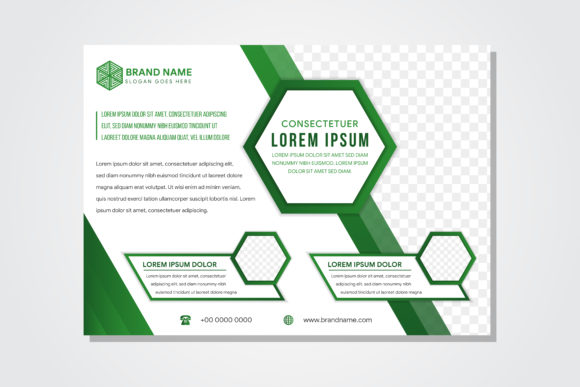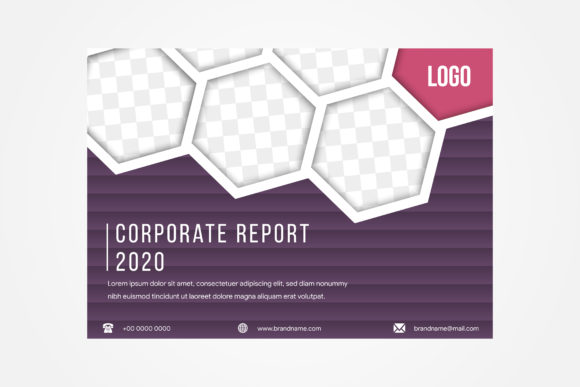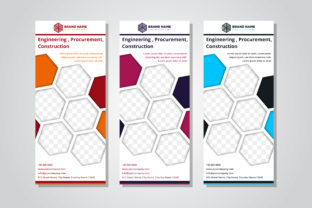
Hexagon Roll-Up Business Banner Design: Integrating Vertical Banner Hexagon Construction into Modern Visual Workflows
Vertical Banner Hexagon Construction is a design methodology centered around the creation of structured, visually engaging vertical banners using hexagonal elements. This approach is particularly effective in marketing, corporate communications, and digital publishing, where clarity, aesthetics, and brand alignment are essential. Whether you're preparing a trade show display, a website banner, or a print brochure, integrating hexagon-based layouts can elevate your visual presentation while maintaining a clean, organized structure.
Understanding the Role of Hexagon-Based Design in Visual Communication
Hexagon Roll-Up Business Banner Design is not just a trend—it’s a functional design choice that supports modular layouts and dynamic content organization. The hexagon shape allows for seamless tiling and flexible arrangement, making it ideal for infographics, promotional banners, and background templates. When applied vertically, this design approach supports readability and visual flow, especially in formats like magazine covers, vertical banners, and presentation slides.
The integration of geometric elements such as hexagons into modern graphic design aligns with current trends in minimalism, abstract design, and clean typography. Designers and marketers can leverage these vector-based templates to maintain consistency across various media types, including print, digital, and multimedia presentations.
How Vertical Banner Hexagon Construction Fits Into a Broader Creative Process
Before launching a marketing campaign or designing a publication layout, incorporating Vertical Banner Hexagon Construction early in the planning phase can streamline the design process. It provides a structural foundation that supports content placement, visual hierarchy, and brand alignment. Whether you're creating a flyer, newsletter, or poster, starting with a hexagon-based layout ensures a balanced composition that guides the viewer’s eye effectively.
During the design phase, these templates can be customized to include photos, illustrations, text blocks, and branding elements. Their modular nature allows for easy editing and scalability across different platforms. After the design is finalized, the same hexagon structure can be reused in related materials, ensuring visual continuity across print and digital assets.
Practical Applications Across Industries and Use Cases
- Marketing and Advertising: Use hexagon banners for promotional materials, social media visuals, and campaign landing pages.
- Corporate Communications: Apply the design to internal newsletters, reports, and presentation decks to maintain a professional aesthetic.
- Education and Training: Create engaging infographics and visual aids using hexagon layouts for classroom materials or online courses.
- Web and Mobile Design: Integrate hexagon backgrounds into website headers, banners, or app interfaces for a modern, tech-forward look.
Integrating Hexagon Templates with Other Design Tools and Resources
Vertical Banner Hexagon Construction works best when paired with vector editing tools like Adobe Illustrator, Inkscape, or Figma. These platforms allow for precise manipulation of hexagonal elements, ensuring that designs remain scalable and editable. Designers can import pre-made hexagon templates and customize them with brand colors, fonts, and imagery.
Additionally, these templates can be combined with mockup tools to visualize how the banner will appear in real-world settings, such as at a trade show booth or on a website homepage. This integration helps streamline the approval process and ensures that the final product aligns with both aesthetic and functional goals.
Workflow Example: Designing a Corporate Banner Using Hexagon Layouts
- Begin by selecting a hexagon-based vector template suitable for vertical banners.
- Import the template into your preferred design software and adjust the dimensions to match your output format (print, web, etc.).
- Layer in brand assets such as logos, color palettes, and typography styles.
- Organize content within the hexagon structure—text on one side, images or data visualizations on the other.
- Preview the design using a mockup tool to assess visual impact and readability.
- Export the final design in appropriate file formats (PDF, PNG, SVG) for distribution.
Ensuring Compatibility and Consistency Across Platforms
One of the key advantages of using hexagon-based vector templates is their adaptability. These designs maintain quality across different resolutions and file types, making them suitable for both high-resolution print and digital use. Designers should ensure that all elements are properly grouped and labeled within the editing software to simplify future edits and reuse.
Consistency is also crucial when applying hexagon layouts across multiple projects. Establishing a reusable design system—such as a branded hexagon template library—can save time and reinforce brand identity. This system can include pre-approved color schemes, font pairings, and layout variations that align with company guidelines.
Optimizing Efficiency and Long-Term Use
To maximize the value of Vertical Banner Hexagon Construction, teams should consider the following best practices:
- Template Management: Store commonly used hexagon layouts in a shared asset library for easy access and reuse.
- Version Control: Maintain clear versioning for templates to avoid confusion during collaborative projects.
- Training: Provide team members with basic training on hexagon-based design tools and workflows to ensure consistent implementation.
- Feedback Loops: Gather input from stakeholders early in the design process to refine layouts before final production.
Designing for Usability and Audience Engagement
A successful hexagon banner isn’t just visually appealing—it’s also user-friendly. When designing for readability and engagement, prioritize clear typography, strategic use of white space, and logical content flow. The hexagon structure should enhance, not complicate, the viewer’s ability to absorb information quickly.
For digital banners, consider how the design will appear on mobile devices. Simplify complex hexagon arrangements for smaller screens and ensure that call-to-action elements are prominent and accessible. For print, confirm that the layout adheres to bleed and margin specifications to avoid cropping issues.
Conclusion: Making Vertical Banner Hexagon Construction Part of Your Design Toolkit
Incorporating Vertical Banner Hexagon Construction into your design workflow can lead to more cohesive, professional, and adaptable visual assets. Whether you're working on a brochure, website banner, or presentation slide, the structured yet flexible nature of hexagon-based layouts supports both creativity and efficiency.
By understanding how these templates interact with other design tools, planning for long-term usability, and focusing on audience engagement, you can seamlessly integrate hexagon design into your broader creative strategy. This approach not only enhances visual appeal but also streamlines the production process, making it a valuable addition to any designer’s toolkit.