Visualizing Transport Logistics Through 3D Isometric Illustrations
Understanding Transport Logistics in a Modern Context
Transport logistics plays a critical role in the movement of goods and services across global supply chains. As industries evolve, so too do the tools used to represent and optimize these complex systems. One such innovation is the use of Transport Logistics 3D Isometric illustrations. These visuals provide a clear, layered perspective of industrial infrastructure, helping professionals and the general public alike grasp the intricacies of modern transportation networks.
What Makes 3D Isometric Illustrations Unique?
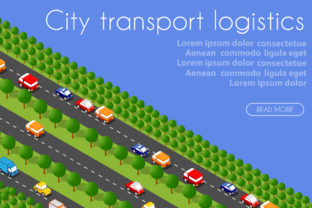
Isometric illustrations are a form of 3D rendering that presents objects in a parallel projection, giving a three-dimensional effect without the distortion of perspective. In transport logistics, this style allows for detailed, scalable depictions of ports, railways, highways, and urban delivery systems. Unlike traditional flat designs, Transport Logistics 3D Isometric visuals maintain spatial relationships, making them ideal for planning, training, and communication purposes.
Applications Across Industries
The versatility of isometric illustration makes it valuable across a wide range of sectors. From logistics companies to educational institutions, these visuals help translate abstract data into tangible insights.
- Supply Chain Management: Visualizing warehouse layouts, delivery routes, and inventory flow using isometric graphics can streamline operations and improve decision-making.
- Urban Planning: City planners use these illustrations to model transportation hubs and visualize how new infrastructure will integrate with existing systems.
- Educational Tools: Teachers and trainers use isometric diagrams to explain logistics concepts in an engaging, visual format that enhances comprehension.
- Marketing and Presentations: Businesses leverage isometric visuals to present logistics solutions to clients and investors in a clean, professional manner.
Why Transport Logistics 3D Isometric Works Well for City Infrastructures
In urban environments, the complexity of transport systems can be overwhelming. The Transport Logistics 3D Isometric City template offers a scalable solution for depicting interconnected networks like subways, bus terminals, freight yards, and delivery zones. These visuals allow city officials and engineers to simulate traffic flow, assess bottlenecks, and plan for future expansion with greater clarity.
Advantages of Using Isometric Illustrations in Logistics
There are several key benefits to integrating isometric visuals into logistics planning and communication:
- Enhanced Clarity: Complex systems are easier to understand when presented in a layered, three-dimensional format.
- Scalability: Isometric illustrations can be adapted to represent anything from a single warehouse to an entire national transport network.
- Cost-Effective Visualization: Compared to full 3D modeling or animation, isometric illustrations offer a high-impact, low-cost alternative.
- Consistency: These visuals maintain uniformity in style and perspective, which is crucial for accurate representation across multiple platforms.
How Isometric Illustrations Improve Communication
One of the most overlooked benefits of Transport Logistics 3D Isometric visuals is their ability to bridge communication gaps. Whether presenting to stakeholders, training new employees, or informing the public, these illustrations provide a universal language that transcends technical jargon and cultural barriers. For example, a logistics manager can use a single isometric diagram to explain loading dock operations to both engineers and drivers, ensuring everyone is on the same page.
Real-World Examples and Observations
Several companies and municipalities have already adopted isometric visuals to enhance their logistics strategies. For instance, a major European port authority used a Transport Logistics 3D Isometric City infographic to redesign its container handling system. By simulating different configurations, they identified a layout that reduced congestion by 20% and improved turnaround times for cargo ships.
Similarly, a logistics software provider integrated isometric visuals into its dashboard interface. This allowed users to monitor real-time delivery routes and warehouse inventory in a format that was both intuitive and visually engaging. The result was a 15% increase in user satisfaction and a reduction in training time for new hires.
Choosing the Right Tools for Isometric Illustration
Creating effective isometric visuals requires the right combination of design tools and expertise. Popular software options include Adobe Illustrator, Sketch, and Figma, all of which support isometric grid systems and vector-based design. Additionally, there are specialized templates and plug-ins available that streamline the creation of Transport Logistics 3D Isometric graphics.
Considerations for Implementation
While isometric illustrations offer numerous benefits, there are some important factors to consider before integrating them into your logistics strategy:
- Level of Detail: Too much complexity can overwhelm the viewer, while too little may fail to convey the necessary information. Striking the right balance is key.
- Color and Contrast: Use color strategically to highlight key components and differentiate between elements like roads, vehicles, and storage areas.
- Accessibility: Ensure that visuals are readable for all users, including those with color vision deficiencies or screen readers.
- Integration with Existing Systems: Consider how isometric visuals will work alongside current data visualization tools and dashboards.
Future Trends in Transport Logistics Visualization
As technology continues to advance, we can expect isometric illustration to evolve alongside it. Emerging trends include the integration of augmented reality (AR) and interactive elements that allow users to manipulate visuals in real-time. Additionally, AI-driven design tools are beginning to automate the creation of isometric graphics, making it easier for non-designers to generate professional-quality visuals.
Conclusion: A Valuable Tool for Modern Logistics
In a world where clarity and efficiency are paramount, Transport Logistics 3D Isometric illustrations offer a powerful way to visualize and optimize complex systems. Whether used for planning, education, or communication, these visuals provide a scalable, cost-effective solution that enhances understanding and decision-making. As industries continue to embrace digital transformation, isometric illustration will undoubtedly play a central role in shaping the future of transport logistics.