Mastering Brochure, Design, Template, and Layout for Modern Business
In a digital-first world, the tactile power of a well-crafted document remains an underappreciated asset. Whether you are launching a startup, presenting an annual report, or showcasing a creative portfolio, the fundamentals of Brochure, Design, Template, Layout dictate how your message is received. These elements are not merely aesthetic choices; they are strategic tools that guide the viewer's eye, convey brand authority, and communicate complex information with clarity. As businesses evolve to meet changing consumer habits, the ability to blend traditional print principles with modern digital workflows has become essential for professionals across every sector.
The Evolution of Visual Communication
The landscape of visual communication has shifted dramatically over the last decade. Gone are the days when a simple text-heavy flyer was sufficient to capture attention. Today's audience expects a seamless experience whether they are holding a physical booklet or scrolling through a presentation on a tablet. This shift has elevated the importance of layout as a narrative device. A strong layout organizes content hierarchically, ensuring that the most critical information—be it a company mission statement or a product feature—is encountered first.
This evolution is driven by technology and user expectations. The rise of high-resolution screens and sophisticated printing capabilities means that details matter more than ever. A vector illustration used in a corporate banner must remain crisp when scaled from a business card to a billboard. Similarly, the background of a magazine page must balance texture and readability. Professionals who understand these nuances can create materials that stand out in a crowded market, transforming static documents into dynamic storytelling experiences.
From Paper to Pixel: Adapting Formats
One of the most significant changes in recent years is the convergence of print and digital formats. A brochure designed today often serves a dual purpose. It might start as a printed leaflet distributed at a trade show and later be converted into a PDF for email campaigns or a series of slides for a website. This versatility requires a flexible approach to template creation. Designers must now consider how colors translate from CMYK (print) to RGB (screen) and how interactive elements like hyperlinks function within a static-looking frame.
Consider the annual report. Traditionally a thick, bound book, many companies now produce a hybrid version: a sleek, minimal booklet for stakeholders and an interactive digital version featuring infographics and video links. The underlying design principles remain the same—clarity, consistency, and hierarchy—but the execution adapts to the medium. This adaptability ensures that the core message resonates regardless of where the audience encounters it.
Strategic Elements of Effective Design
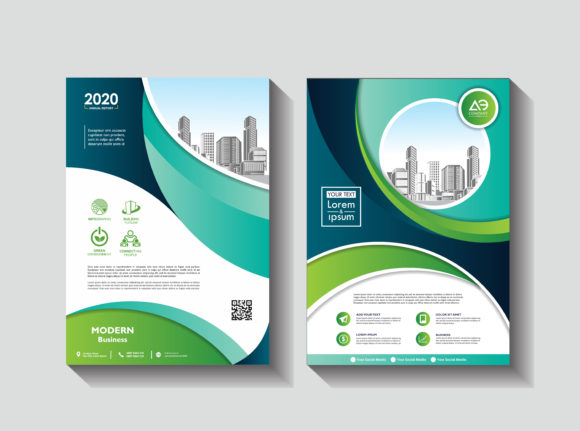
To create compelling materials, one must look beyond the surface. Every element, from the choice of a circle motif to the selection of a green color palette, contributes to the overall concept. Effective design is about intentionality. It involves making deliberate choices that align with the brand identity and the intended emotional response of the viewer.
Minimalism has emerged as a dominant trend, reflecting a broader cultural shift towards simplicity and efficiency. In a corporate setting, a clean, uncluttered page layout can convey confidence and transparency. By removing unnecessary decorative elements, designers allow the content to breathe. This approach is particularly effective for infographics, where the goal is to distill complex data into digestible visuals. A well-designed infographic uses space, typography, and icons to tell a story without overwhelming the reader.
The Role of Templates in Workflow Efficiency
For busy entrepreneurs and marketing teams, time is a scarce resource. This is where the strategic use of a template becomes invaluable. A robust template provides a consistent framework for various outputs, from flyers to posters and even booklets. It ensures brand consistency across all touchpoints while significantly reducing production time.
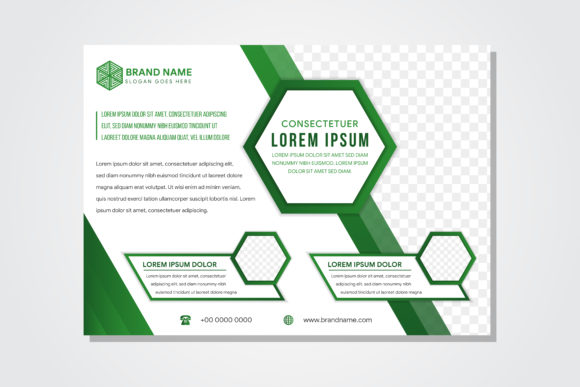
However, relying solely on generic templates can lead to a lack of originality. The key is customization. A good template acts as a skeleton upon which unique content and creative flair can be built. For instance, a business card template might offer a standard grid, but the addition of a custom illustration or a unique frame can transform it into a memorable piece of stationery. Professionals should view templates as starting points rather than final products, adapting them to fit specific campaign goals and audience needs.
Trends Shaping the Future of Print and Digital Media
As we look toward the future, several trends are redefining how we approach Brochure, Design, Template, Layout. One notable trend is the resurgence of paper quality and texture. In an era dominated by screens, the tactile experience of a high-quality print piece offers a sense of luxury and permanence. Companies are investing in premium stocks, embossing, and spot UV finishes to make their catalogs and reports feel special.
Simultaneously, sustainability is becoming a central concern. The demand for eco-friendly materials and green design practices is growing. Businesses are increasingly choosing recycled paper, soy-based inks, and minimalist designs that reduce ink usage. This shift is not just ethical; it also appeals to a demographic of consumers who value environmental responsibility. A leaflet made from sustainable materials can serve as a powerful statement about a company's values.
Technology and Creative Integration
Technology continues to push the boundaries of what is possible in graphic design. Tools that once required extensive coding knowledge are now accessible to non-technical users, democratizing the creation of professional-grade materials. AI-driven design assistants can suggest layouts based on content type, while advanced vector software allows for intricate abstract patterns that were previously difficult to achieve.
Furthermore, the integration of augmented reality (AR) is beginning to bridge the gap between physical and digital. Imagine scanning a poster with a smartphone to reveal a 3D model of a product or an interactive map of a city. This layer of interactivity adds depth to traditional media, making it more engaging and informative. While still emerging, this technology represents a forward-looking direction for presentation and portfolio development.
Practical Implications for Professionals and Businesses
For freelancers, marketers, and business owners, mastering these design principles offers tangible benefits. A cohesive visual identity strengthens brand recognition. When a client receives a proposal that looks as polished as the final deliverable, trust is established immediately. Conversely, poor design can undermine credibility, suggesting a lack of attention to detail or professionalism.
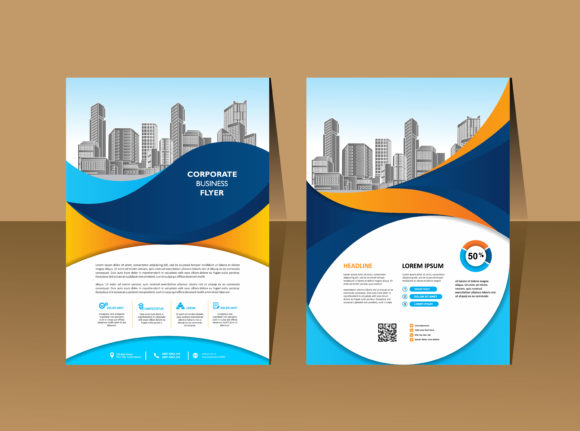
Practical application begins with understanding the audience. A creative agency targeting young tech startups might opt for bold, colorful banners with dynamic typography. In contrast, a law firm or financial institution would likely prefer a conservative, structured report format with ample white space and serif fonts. Tailoring the layout to the recipient's expectations ensures the message lands effectively.
- Consistency: Use a unified set of templates for all communications to reinforce brand identity.
- Clarity: Prioritize readability over decoration. Ensure text is legible on both print and screen.
- Flexibility: Design assets that can be easily repurposed across different platforms and sizes.
- Quality: Invest in high-resolution images and professional typography to elevate the perceived value of your work.
Building a Versatile Portfolio
For designers and creators, building a diverse portfolio is crucial. It demonstrates the ability to handle various formats, from a compact A4 flyer to a sprawling magazine spread. Including examples of square social media graphics alongside traditional book covers shows adaptability. Each project should highlight a different aspect of your skill set, such as typography, color theory, or spatial arrangement.
Moreover, documenting the process behind each concept adds depth to a portfolio. Explaining why a particular color was chosen or how a specific layout solved a communication problem showcases strategic thinking. This approach moves the conversation from "it looks nice" to "it works effectively," which is what clients and employers truly value.
Conclusion: The Enduring Value of Thoughtful Design
Ultimately, the intersection of Brochure, Design, Template, Layout represents a vital component of modern business strategy. It is the bridge between an idea and its realization, turning abstract concepts into tangible realities. Whether you are crafting a card for a networking event or designing a comprehensive website brochure, the principles of good design remain constant: clarity, purpose, and connection.
As markets continue to evolve and technologies advance, the need for thoughtful, strategic design will only grow. Those who embrace these principles, staying attuned to trends while maintaining a focus on fundamental best practices, will find themselves well-positioned to succeed. In a world saturated with information, the ability to present your message clearly and beautifully is not just an advantage—it is a necessity.