Flat Illustration Business Man Pose: Choosing and Using the Right Design for Your Brand
When it comes to modern digital design, the Flat Illustration Business Man Pose has become a go-to visual element for entrepreneurs, marketers, and content creators. Its clean lines, minimalist style, and adaptability make it ideal for landing pages, presentations, and marketing materials. But while the design itself is straightforward, many users overlook key considerations that can impact how well it integrates with their brand or project.
Understanding the Flat Illustration Business Man Pose
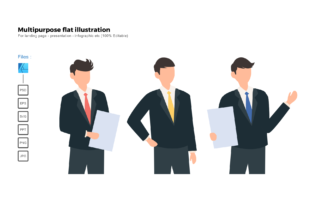
The Flat Illustration Business Man Pose is a stylized vector image of a professional figure, often used to represent entrepreneurship, leadership, or corporate activity. These illustrations are part of a broader trend toward flat design, which emphasizes simplicity and usability over complex details. They are especially popular in business contexts because they are easy to customize and blend well with modern branding aesthetics.
Many users are drawn to this type of illustration because of its versatility. Whether you're building a pitch deck, designing a blog post, or creating a promotional graphic, the right flat illustration can enhance your message and add visual appeal without overwhelming the content.
Common Mistakes When Choosing and Using Flat Illustration Business Man Pose
Despite its popularity, there are several pitfalls users commonly fall into when selecting or applying these illustrations. Being aware of these issues can help you avoid costly or time-consuming errors.
1. Overlooking File Compatibility and Editability
One of the most frequent mistakes is not checking whether the file formats included in the template match your software. While many templates offer a variety of export formats like SVG, PNG, and EPS, some users assume they can edit vector files in any program. For example, if you purchase a template that includes an Affinity Designer file but only have access to Adobe Photoshop, you may struggle to make detailed edits.
Better approach: Always confirm which file types are included and whether your design tools support them. Look for templates that offer multiple editable formats and clear documentation to guide you through the setup.
2. Ignoring Color Consistency with Brand Identity
Flat illustrations often come with preset color palettes. Some users mistakenly assume they can easily change colors without affecting the overall design harmony. However, mismatched hues or poor contrast can make your visuals look unprofessional or clash with your brand colors.
Better approach: Choose templates with a color theme that closely aligns with your brand or that can be easily adjusted. Test the color changes in your actual project before finalizing your design to ensure visual consistency.
3. Using the Wrong Pose for the Message
Each Flat Illustration Business Man Pose conveys a different tone—some are dynamic and action-oriented, while others appear more relaxed or formal. Using an illustration that doesn't match your content's intent can confuse your audience or dilute your message.
Better approach: Select a pose that aligns with your content's tone. For example, a confident, upright pose works well for leadership content, while a more casual stance suits informal or creative topics.
4. Assuming All Templates Are Equal
Not all flat illustration templates are created with the same level of detail or quality. Some may include only a few poses, while others offer a full set of customizable options. Users sometimes choose based on price alone, missing out on features that could save time in the long run.
Better approach: Evaluate the number of included vector files, the variety of poses, and whether the template offers documentation or support. A slightly more expensive option with 100 editable files and clear instructions can be more cost-effective than a cheaper, limited set.
What to Check Before Downloading or Buying
To ensure you're making a smart choice, consider the following factors before finalizing your purchase:
- File formats included: Make sure the package offers the formats you need (like SVG, PSD, or PPTX).
- Editability: Check if the files are truly editable and how easy it is to modify colors, poses, or elements.
- Color flexibility: Look for templates with a cohesive yet adaptable color scheme.
- Documentation: A good template should come with a guide explaining how to use and customize the files.
- Licensing: Confirm whether the template can be used for both personal and commercial purposes without restrictions.
Maximizing the Value of Your Flat Illustration Business Man Pose
Once you've selected the right template, the next step is to use it effectively. Here are a few tips to help you get the most out of your design assets:
- Start with a clear purpose: Know how and where the illustration will be used before placing it in your design.
- Test in context: Preview the illustration in your actual layout to ensure it complements the surrounding content.
- Customize thoughtfully: Adjust colors and elements to match your brand, but avoid overcomplicating the design.
- Use consistent styles: If you're using multiple illustrations, make sure they share a similar visual language to maintain professionalism.
Why This Template Matters for Entrepreneurs and Bloggers
For entrepreneurs and bloggers, visuals play a crucial role in conveying ideas quickly and effectively. The Flat Illustration Business Man Pose offers a modern, scalable solution that enhances communication without requiring advanced design skills. Whether you're pitching to investors, publishing content online, or creating educational materials, having access to a well-designed, editable template can streamline your workflow and elevate your presentation quality.
When used correctly, these illustrations not only support your message but also reinforce your brand identity. They help you stand out in a crowded digital space while maintaining a clean, professional look across all your materials.